Kotor’s Hidden Truth: When Charming Streets Turn Tourist Trap
You know that magical moment when you step into an old European town, expecting cobbled charm and authentic vibes—only to find every shop selling the same souvenirs and cafes hiking prices just because you're near the square? Yeah, that’s Kotor. I went dreaming of Adriatic beauty and medieval magic, but quickly realized: the most picturesque spots come with a catch. The commercial heart of Kotor is real, and it’s easy to fall into its polished but predictable traps. While the town’s fortress walls rise like ancient sentinels above the shimmering Bay of Kotor, and the golden light bathes its narrow alleys each morning, the reality beneath the postcard image is more complex. This is a place where history and hospitality coexist with commercialization, where beauty and authenticity are still present—but often just a few quiet steps away from the crowds.
First Impressions: Kotor’s Postcard-Perfect Facade
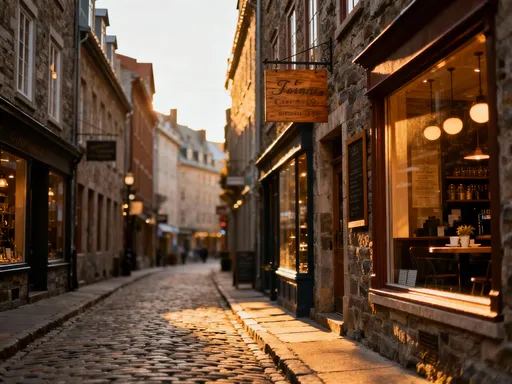
Arriving in Kotor for the first time is nothing short of cinematic. The journey itself—winding roads hugging the bay, mountains plunging into turquoise waters—prepares visitors for a town suspended in time. As you pass through the massive stone gates of the Old Town, the atmosphere shifts instantly. Sunlight filters through tightly packed buildings, casting long shadows across cobblestones worn smooth by centuries of footsteps. Arched doorways, wrought-iron balconies dripping with bougainvillea, and the distant echo of church bells create a scene straight out of a travel magazine.
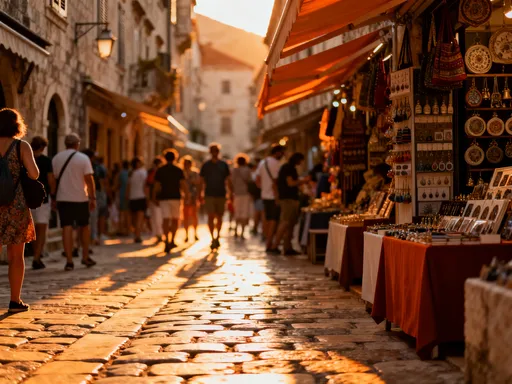
And yet, within minutes, the spell begins to flicker. Just beyond the charm lies a different rhythm—one dictated by commerce. The central plaza, dominated by the 12th-century Cathedral of Saint Tryphon, buzzes not just with history but with hawkers offering selfie sticks, neon keychains, and knockoff nautical jewelry. Ice cream vendors line the main pedestrian street, their colorful umbrellas popping like mushrooms after rain. Signs in multiple languages advertise ‘Authentic Montenegrin Souvenirs’ at suspiciously low prices, and cafes with prime views charge double for a cappuccino.
This contrast is not accidental. Kotor’s Old Town is a UNESCO World Heritage site, yes—but it is also a carefully curated experience designed to accommodate thousands of visitors daily. Its compact size and single main thoroughfare make it ideal for foot traffic, but also vulnerable to overcrowding. The beauty is real, but so is the commercial machine that has grown around it. The initial enchantment remains, but it’s layered now—with awareness.
The Overcrowded Core: Why the Old Town Feels More Like a Bazaar
At the heart of Kotor’s tourism model lies St. Tryphon Square, the town’s historic and social nucleus. Once a gathering place for merchants and townspeople, it now functions primarily as a stage for mass tourism. Every morning, especially in summer, the arrival of cruise ships transforms the square from a tranquil medieval plaza into a bustling marketplace. Within an hour, the population of the Old Town can swell from a few hundred residents to over ten thousand visitors.
The density of businesses in this small area is staggering. Within a 200-meter stretch along the main pedestrian path, one can count more than thirty souvenir shops, most offering nearly identical products—plastic replicas of Venetian lions, mass-produced Orthodox icons, and embroidered tablecloths that bear little connection to local craftsmanship. These goods are often imported from Asia, repackaged with labels like ‘Handmade in Montenegro’ to appeal to nostalgic travelers. The illusion of authenticity is carefully maintained, even as the reality fades.
Price inflation is another hallmark of the commercial core. A simple bottle of water that costs €1.50 in a neighborhood grocery store outside the walls can easily sell for €4 inside the Old Town. Restaurants with bay views add a ‘scenic premium’ to their menus, and even guided tours of the fortress often double their rates during peak hours. The economic logic is clear: high foot traffic justifies high margins. But for the mindful traveler, this raises a question—how much of the experience is truly about culture, and how much is simply transactional?
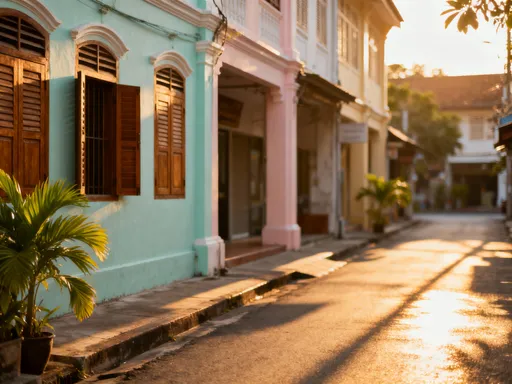
Yet, just a few side streets away—often less than a five-minute walk—the atmosphere shifts dramatically. In alleys like Ul. od Banje or near the Church of St. Nicholas, the noise recedes, the shops thin out, and the architecture reveals its quieter, more personal character. These spaces remind visitors that Kotor is not just a destination, but a living town with families, traditions, and daily rhythms that persist beneath the tourist surface.
Dining Dilemmas: Scenic Views vs. Subpar Meals
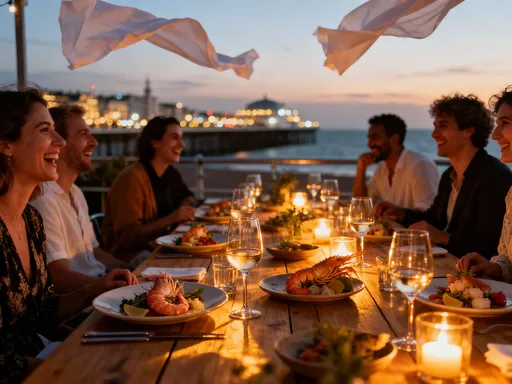
One of the most common disappointments for travelers in Kotor is the dining experience. Sitting at an outdoor table with a panoramic view of the bay, bathed in golden evening light, feels like the pinnacle of Mediterranean travel. The menu promises ‘traditional Montenegrin cuisine’—grilled fish from the bay, slow-cooked lamb, homemade cheeses, and locally grown vegetables. But too often, the reality falls short.
A personal experience illustrates this well: after a long day of exploring, a meal was ordered at a highly rated waterfront restaurant. The presentation was elegant, the wine selection broad, and the view unforgettable. But the grilled octopus was overcooked, the seafood risotto lacked freshness, and the bill arrived with a sense of sticker shock. What should have been a highlight became a reminder that aesthetics and authenticity are not always aligned.
The issue lies in the business model. Many central restaurants cater to high turnover, serving simplified versions of local dishes designed for quick preparation and broad appeal. Ingredients are not always sourced locally, and menus are often translated into five languages but lack depth in flavor or tradition. In contrast, family-run konobas—small, informal eateries—located just beyond the main drag offer a different story. These places serve hearty stews, freshly baked bread, and grilled meats with care and pride. The decor is simple, the service warm but unhurried, and the prices reflect real value.
For those seeking authenticity, the key is timing and location. Eating lunch earlier in the day or choosing a restaurant a few blocks from the square increases the chances of enjoying genuine Montenegrin flavors. Locals rarely dine in the tourist center, preferring quieter spots in neighborhoods like Muo or Prcanj, where food is still prepared with regional pride. The lesson is clear: the best meals in Kotor are not always the most visible ones.
The Souvenir Paradox: Cute Trinkets, Questionable Origins
Souvenirs are one of the most tangible ways travelers connect with a destination. In Kotor, the desire to bring home a piece of the Adriatic is strong—and the market is ready to fulfill it. From wooden model boats to hand-painted icons, the offerings are plentiful. But beneath the surface lies a paradox: many items labeled as ‘local crafts’ have little connection to Montenegrin artisans.
Take the wooden ships, for example. These intricate models are a popular symbol of Kotor’s maritime history. Yet, a closer look reveals that most are produced in large workshops outside the region, sometimes even outside Europe. The same applies to embroidered textiles and soaps scented with lavender or fig—often mass-produced and shipped in bulk. The packaging may evoke tradition, but the craftsmanship is industrial.
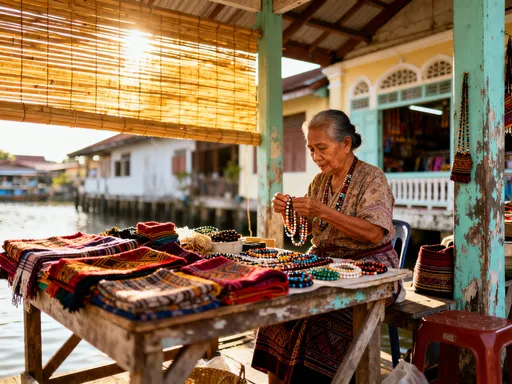
This is not to say that authentic crafts do not exist. Small workshops tucked into side streets do produce genuine handmade goods. These artisans often work alone or in family units, carving stone, painting icons with natural pigments, or weaving textiles using traditional methods. The difference is in the details: slight imperfections, unique designs, and the willingness to explain the process. A real Montenegrin icon painter, for instance, will speak about the spiritual significance of the images, not just the price.
For the discerning traveler, spotting the genuine from the generic comes down to observation and conversation. Avoid stalls with flashy displays and generic claims. Instead, look for smaller shops where goods are made on-site or where the seller can describe the origin of the product. Price is also a clue—authentic handmade items require time and skill, and their cost reflects that. Buying from these sources supports local livelihoods and preserves cultural heritage, turning a simple purchase into a meaningful exchange.
Beyond the Square: Discovering Kotor’s Quieter, More Genuine Corners
The true soul of Kotor does not reside in its crowded center, but in the quieter neighborhoods that surround it. Areas like Gurdici, Dobrota, and Pržno offer a glimpse into daily life far removed from the tourist trail. Here, laundry hangs from balconies, children play in small courtyards, and elderly residents sip coffee in shaded corners, speaking in hushed tones.
Walking through these districts reveals a different kind of beauty—one that is understated but deeply human. Local bakeries sell krompiruša, a savory potato pie baked in wood-fired ovens, while small grocery stores display seasonal produce from nearby villages. The churches are less visited but equally historic, their frescoes preserved in quiet dignity. The pace is slower, the interactions more genuine.
One of the most rewarding experiences is taking the path toward the Church of Our Lady of the Rocks, a small island shrine accessible by a short boat ride. While the site itself attracts visitors, the journey offers moments of reflection—the sound of oars cutting through still water, the sight of herons gliding above the reeds. Even within the Old Town, early mornings or late evenings bring transformation. By 7 a.m., the streets are nearly empty, the light soft and golden, and the air carries the scent of fresh bread. This is when Kotor feels most alive—not as a stage, but as a home.
For those willing to wander without a map, the rewards are subtle but profound. A hidden courtyard with a centuries-old well, a street musician playing traditional tunes on a gusle, a local artist selling watercolor sketches from a folding table—these are the moments that linger long after the trip ends. They cannot be found in guidebooks, but they define the essence of travel.
Day-Trippers vs. Stayers: How Travel Style Affects Your Experience
The way one travels shapes the experience of Kotor more than any guidebook can predict. Cruise passengers, often limited to a two- or three-hour window, tend to follow a well-worn path: enter through the main gate, photograph the cathedral, climb a few steps of the fortress, buy a magnet, and return to the ship. Their experience is brief, efficient, and often superficial—focused on collection rather than connection.
In contrast, travelers who stay overnight—or for several nights—engage with the town in a fundamentally different way. They see Kotor after the crowds have left, when the streets echo with the footsteps of locals rather than tour groups. They discover the morning market in nearby Risan, where farmers sell honey, cheese, and herbs. They enjoy evening walks along the waterfront promenade, where couples stroll and musicians play under the stars.
Staying allows for rhythm. It enables repeated visits to the same bakery, recognition by a café owner, and the comfort of knowing where the quiet benches are. It fosters a sense of belonging, even if temporary. These travelers are more likely to explore the Lepetane trail, a scenic coastal path leading to small beaches, or visit the Ethno Museum in nearby Perast to understand the region’s seafaring history.
Time, in this sense, is the ultimate luxury. It transforms sightseeing into immersion. It shifts the focus from checking off landmarks to building memories. A day-tripper sees the fortress; a stayer feels the wind at the top, watches the sunset over the bay, and hears the distant chime of evening prayers. The difference is not in the place, but in the presence.
Traveling Smarter: How to Enjoy Kotor Without Falling into the Trap
Enjoying Kotor does not require rejecting its tourist zones entirely. These areas exist for a reason—they provide access, services, and economic support to the community. The goal is not avoidance, but awareness. Traveling smarter means moving through the commercial spaces with intention, knowing when to pause, when to step aside, and when to seek something deeper.
Start with a budget. Set a clear limit for souvenirs and stick to it. This reduces impulse buying and encourages more thoughtful choices. When dining, consider having lunch just outside the main square—restaurants along the outer walls or in nearby villages often offer better value and more authentic food. If visiting during peak season, plan to explore the Old Town early in the morning or after 7 p.m., when the cruise crowds have dispersed.
Embrace the side streets. Instead of following the main pedestrian flow, turn down a narrow alley with no signs or shops. You might find a quiet courtyard, a local artist’s studio, or a small church with an open door. These unplanned discoveries often become the most cherished parts of a trip. Engage with locals when possible—ask for recommendations, learn a few words of Montenegrin, or simply smile and say ‘hvala’ (thank you). Respect goes a long way in building connection.
Finally, carry a mindset of curiosity rather than consumption. Kotor’s beauty is not for sale, even if parts of it are monetized. The real value lies in the experience—the way the light hits the bay at dawn, the sound of church bells across the water, the warmth of a shared smile with a stranger. By seeking these moments, travelers honor not only the destination but themselves.
Kotor’s beauty is undeniable, but its popularity has turned parts of the town into a well-oiled tourism machine. The key isn’t to reject the commercial zones entirely, but to move through them with eyes open. By venturing beyond the postcard spots, travelers can find authenticity, connection, and moments that feel truly earned—not just sold. The magic of Kotor hasn’t disappeared; it has simply moved a little off the main path. For those willing to look, it’s still waiting to be discovered.