You Won’t Believe Singapore’s Wild Side
When you think of Singapore, sleek skyscrapers and shopping malls probably come to mind. But beneath the urban polish lies a surprisingly lush world of natural beauty. I was blown away by how much green hides in plain sight—from misty rainforests to coastal trails teeming with life. This isn’t just a city with parks; it’s a city built *around* nature. Let me take you through the side of Singapore that most tourists never discover.
Reimagining Singapore: More Than Just a Concrete Jungle
Singapore is often celebrated for its futuristic skyline, spotless streets, and world-class shopping. It’s easy to assume this island nation is entirely paved in concrete and glass. Yet, a closer look reveals a different truth—one of deliberate green ambition. Over 50% of Singapore’s land area is covered in greenery, a remarkable feat for a densely populated city-state of nearly six million people. This isn’t accidental. It’s the result of a long-standing national vision: to become a ‘City in a Garden.’ Since the 1960s, urban planners have embedded nature into the fabric of the city, planting trees along highways, creating park connectors, and preserving forests within urban zones. The National Parks Board (NParks) leads this effort, managing over 350 parks and four nature reserves. These spaces are not just decorative—they are ecological lifelines, supporting biodiversity and improving air quality, mental well-being, and community connection. From rooftop gardens on public housing blocks to sky terraces in office towers, greenery is everywhere, seamlessly woven into daily life. This integration is so effective that residents often don’t realize how immersed they are in nature until they pause to notice the rustle of leaves or the sudden flash of a kingfisher’s wing. Singapore’s approach challenges the global assumption that urban development must come at nature’s expense. Instead, it offers a model where growth and greenery coexist, thrive, and even enhance one another. For visitors, this means that adventure isn’t found just in faraway jungles—it’s right here, in a city that has redefined what urban living can look like.
Bukit Timah Nature Reserve: The Beating Heart of Singapore’s Wilderness
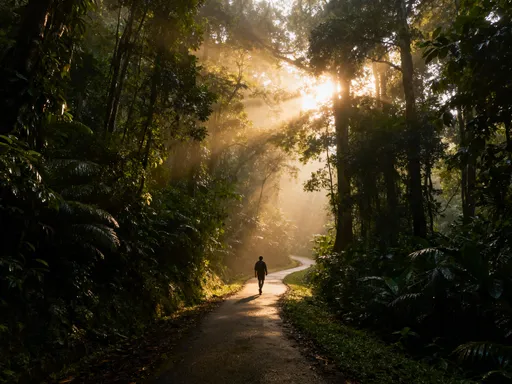
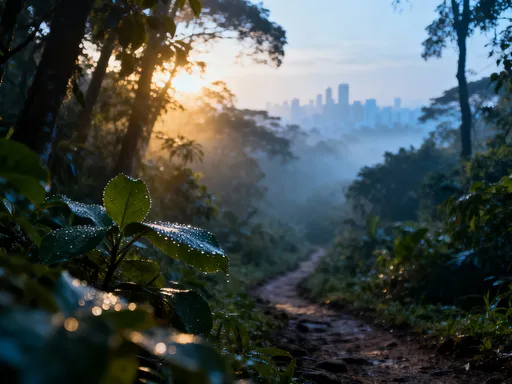
Just a short drive from the bustling city center lies one of Southeast Asia’s most precious ecological treasures—Bukit Timah Nature Reserve. Covering 163 hectares, it protects the largest remaining patch of primary rainforest in the region, a rare remnant of the dense forests that once blanketed the entire Malay Peninsula. Towering dipterocarp trees, some over 100 feet tall, form a thick canopy that filters sunlight into soft green beams, illuminating ferns, mosses, and the occasional orchid clinging to bark. The air here is heavy with humidity and alive with sound—the distant call of the collared kingfisher, the rustle of a squirrel darting across the path, the low hiss of a monitor lizard slipping into the undergrowth. This reserve is home to more than 840 species of flowering plants and over 500 species of animals, including the elusive Sunda pangolin, a critically endangered mammal rarely seen but carefully monitored by conservationists. Trails range from easy boardwalks to steep climbs up Bukit Timah Hill, the highest natural point in Singapore at 164 meters. While the summit offers little in terms of views due to the dense foliage, the journey itself is the reward—each turn revealing a new layer of the forest’s quiet drama. Visitors are encouraged to come early in the morning to avoid the midday heat and crowds, wear sturdy shoes, and carry plenty of water. Equally important is respecting the reserve’s protected status: staying on marked paths, avoiding littering, and refraining from feeding or disturbing wildlife. NParks runs educational programs and guided walks to help visitors understand the forest’s fragility and value. The reserve stands as a testament to Singapore’s commitment to preserving its natural heritage, even as the city continues to grow. It reminds us that true wilderness doesn’t have to be remote—it can thrive in the heart of a metropolis, if given the space and care it deserves.
MacRitchie Reservoir & TreeTop Walk: Where Canopy Meets Sky
One of Singapore’s most iconic nature experiences awaits at MacRitchie Reservoir, a serene water body surrounded by dense secondary forest and crisscrossed by a network of well-maintained trails. At the heart of this green oasis is the TreeTop Walk, a 250-meter suspension bridge that soars 25 meters above the forest floor, offering a rare glimpse into the world of the canopy. As you step onto the walkway, the city’s noise fades, replaced by a profound stillness broken only by the whisper of wind through leaves and the occasional call of a crested serpent eagle. Sunlight filters through the overlapping layers of foliage, casting dappled patterns on the wooden planks beneath your feet. From this elevated vantage point, you’re not just observing nature—you’re part of it, surrounded by birds, butterflies, and even the occasional troop of long-tailed macaques swinging through the treetops. The reservoir itself plays a vital role in Singapore’s water supply, part of the country’s strategy to achieve water sustainability. It’s also a haven for wildlife, including otters, monitor lizards, and a variety of dragonflies. For visitors, the experience begins early—arriving by 7 a.m. ensures cooler temperatures and fewer crowds, increasing your chances of spotting wildlife. The most popular route combines the TreeTop Walk with a 10-kilometer loop trail that circles the reservoir, passing lookout points, rest shelters, and quiet coves. Along the way, keep an eye out for the purple-headed oriental pied hornbill or the bright blue of a blue-eared kingfisher. The trail is moderately challenging, with some steep sections, so proper footwear and hydration are essential. NParks provides clear signage and maps, and ranger stations are available for assistance. What makes MacRitchie special is not just its beauty, but its accessibility—families, joggers, birdwatchers, and photographers all share this space, united by a quiet appreciation for the natural world. It’s a reminder that in Singapore, nature isn’t reserved for specialists or adventurers; it’s a shared resource, open to all.
Sungei Buloh Wetland Reserve: A Hidden Haven for Migratory Birds
Nestled in the quiet northwestern corner of Singapore, Sungei Buloh Wetland Reserve is a sanctuary of mudflats, mangroves, and brackish ponds that pulses with life. Recognized as part of the East Asian-Australasian Flyway, this 202-hectare reserve serves as a critical stopover for tens of thousands of migratory birds each year. From September to March, flocks of sandpipers, curlews, and godwits arrive from as far as Siberia and Alaska, resting and feeding in the nutrient-rich mud before continuing their long journey south. The reserve’s boardwalk trails wind through different habitats, each offering unique encounters. In the mangrove forests, you might spot fiddler crabs waving their oversized claws or mudskippers—amphibious fish that hop between roots and puddles. Along the ponds, herons and egrets stand motionless, waiting to spear small fish, while brahminy kites circle overhead. Sungei Buloh is also one of the few places in Singapore where wild crocodiles can be seen, though they are generally shy and pose little threat to visitors who stay on designated paths. The best time to visit is early morning during the migration season, when the light is soft and the birds are most active. Binoculars and a field guide enhance the experience, though NParks provides informative panels along the trails. Weekends often feature guided tours led by trained volunteers, offering insights into the wetland’s ecology and conservation challenges. Accessibility is excellent, with paved paths, viewing hides, and a visitor center that includes a small exhibition and rest area. Sungei Buloh is more than a birdwatching destination—it’s a living classroom, teaching visitors about the delicate balance of coastal ecosystems and the importance of protecting them. For families, it’s a chance to connect with nature in a calm, educational setting. For conservationists, it’s proof that even in a highly urbanized nation, wetlands can be preserved and restored. This reserve embodies Singapore’s quiet commitment to biodiversity, offering a peaceful counterpoint to the city’s fast pace.
Eastern Coastal Escape: Coney Island and Pasir Ris Park
Just a short walk from the Pasir Ris MRT station, a footbridge leads to Coney Island—a 106-hectare island that feels worlds away from the city. Unlike its namesake in New York, this Coney Island is a haven of untouched coastal vegetation, with sandy trails, casuarina forests, and rocky shores teeming with crabs and sea stars. Managed by NParks, the island has been carefully restored to reflect its natural state, with native plant species reintroduced and invasive species removed. The experience here is rustic and immersive—there are no cafes, no loud music, just the crunch of gravel underfoot, the hum of cicadas, and the occasional cry of a sea eagle. Two main trails loop around the island, each offering different perspectives: the eastern route reveals tidal pools and mangrove edges, while the western side opens to views of Pulau Ubin and the Johor Strait. Visitors often spot monitor lizards, otters, and a variety of shorebirds. The island is accessible only on foot or by bicycle, with bike rentals available at Pasir Ris Park, which sits just across the bridge. Pasir Ris Park itself is a popular family destination, with barbecue pits, playgrounds, and a long stretch of beach perfect for picnics and kite flying. While more developed than Coney Island, it still maintains a strong connection to nature, with coastal forests and a mangrove boardwalk. Together, the two spaces offer a balanced coastal experience—structured recreation on one side, quiet exploration on the other. NParks encourages visitors to practice ‘leave no trace’ principles, taking all trash with them and avoiding disturbing wildlife. The restoration work on Coney Island is ongoing, with volunteers regularly participating in planting and clean-up events. For residents and tourists alike, this eastern stretch of Singapore offers a refreshing reminder that nature doesn’t have to be manicured to be beautiful. It thrives in its wilder forms, inviting us to slow down, observe, and appreciate the rhythms of the coast.
Southern Ridges: A Scenic Spine Connecting Green Spaces
Stretching across the southern edge of Singapore’s central region, the Southern Ridges is a 10-kilometer network of parks and walking trails that links Mount Faber Park, Telok Blangah Hill Park, HortPark, Kent Ridge Park, and Labrador Nature Reserve. More than just a path, it’s a continuous green corridor that allows visitors to move seamlessly from urban viewpoints to forested slopes without ever stepping onto a busy street. The highlight of the route is Henderson Waves, a striking pedestrian bridge that rises and falls in a series of undulating curves, 36 meters above the road. Made of steel and wood, its design mimics the movement of ocean waves, blending architectural innovation with natural inspiration. At night, the bridge glows softly, becoming a landmark in its own right. Walking the Southern Ridges is an experience of contrasts—emerging from a shaded trail to a panoramic view of the city skyline, or stepping from a modern housing estate into a patch of secondary forest alive with bird calls. The trail is well-paved and mostly flat, making it accessible to walkers of all ages and fitness levels. Along the way, rest points, drinking fountains, and shaded seating areas provide comfort. The best time to walk is late afternoon, when the heat begins to fade and the light turns golden. From Mount Faber, visitors can take a cable car to Sentosa, or continue south to Labrador Nature Reserve, where coastal cliffs and old military bunkers tell a piece of Singapore’s history. NParks has designed the route with connectivity in mind, ensuring that public transport links make access easy. Signage is clear, and maps are available at entry points. The Southern Ridges exemplify Singapore’s park connector network—a system that makes nature not just available, but convenient. It’s not about escaping the city; it’s about experiencing nature as a continuous thread in the urban fabric. For joggers, photographers, and families, this trail offers a peaceful, scenic way to spend a few hours—or an entire day—immersed in greenery without leaving the city limits.
Nature in the City: How Urban Design Makes Greenery Accessible
The true genius of Singapore’s green transformation lies not in its large nature reserves, but in how it brings nature into everyday life. Through a network of park connectors, rooftop gardens, vertical green walls, and neighborhood parks, the city ensures that no resident is more than a 10-minute walk from a green space. This philosophy is evident in projects like Gardens by the Bay, where the Supertree Grove combines futuristic design with ecological function—the towering steel structures are covered in over 160,000 plants and equipped with solar panels and rainwater collection systems. Yet, equally important are the smaller, quieter interventions: the green roof on a public library, the butterfly garden in a housing estate, the community vegetable patch tended by elderly residents. Bishan-Ang Mo Kio Park is a prime example of urban ecological restoration. Once a concrete canal, the Kallang River was transformed into a naturalized waterway flanked by meadows, wetlands, and forests. The result is not only more beautiful but also more functional—reducing flood risk, improving water quality, and attracting wildlife like kingfishers and otters. These spaces are designed with people in mind, featuring shaded walkways, fitness stations, and spaces for social gatherings. Studies have shown that access to greenery reduces stress, improves mood, and strengthens community bonds—benefits that Singapore actively cultivates. NParks works with schools, businesses, and community groups to promote tree planting, biodiversity surveys, and nature education. Apps like the NParks SG Trees mobile guide help residents identify and learn about the city’s 2,000 species of trees. This integration of nature into urban design is not just aesthetic; it’s a public health strategy, an environmental safeguard, and a social equalizer. It ensures that the benefits of nature are not reserved for the privileged few, but shared by all. In a world where cities are growing faster than ever, Singapore’s model offers a compelling vision: that urban life can be both modern and green, efficient and serene, developed and alive.
Conclusion: Singapore’s Quiet Revolution in Urban Nature
Singapore is often praised for its efficiency, cleanliness, and economic success. But its most profound achievement may be quieter, less visible—a living landscape where nature is not an afterthought, but a foundation. From the misty heights of Bukit Timah to the tidal flats of Sungei Buloh, from the soaring curves of Henderson Waves to the humble community garden, the city has woven green threads into every corner of life. This is not wilderness preserved in isolation, but nature integrated into the rhythm of daily existence. It’s a model built on foresight, sustained by policy, and embraced by people. For visitors, it offers a revelation: that a city can be both highly developed and deeply green. For urban planners around the world, it offers a blueprint—one that proves sustainability and livability are not compromises, but possibilities. The trails, the treetops, the wetlands—they all invite a slower pace, a deeper breath, a moment of wonder. They remind us that even in the busiest places, stillness can be found. So the next time you think of Singapore, don’t just picture skyscrapers. Picture a city where every journey might lead to a kingfisher’s flash, a pangolin’s trace, or the quiet rustle of leaves in a forest that refuses to be paved over. Come with curiosity. Walk softly. And discover the wild heart beating beneath the surface.