You Gotta See What This Malaysian Gem Hides in Plain Sight
Kuching, Malaysia doesn’t scream “shopping paradise” at first glance — but trust me, it delivers in ways you’d never expect. Far from cookie-cutter malls, this riverside city pulses with vibrant markets, artisan alleyways, and local secrets tucked behind colonial facades. I went looking for souvenirs and found culture, craftsmanship, and soul. From handwoven *pua kumbu* textiles to jungle-sourced rattan crafts, Kuching’s shopping scene is a sensory journey. Let me take you through the spots that turned my casual stroll into a treasure hunt.
Why Kuching Stands Out in Malaysia’s Shopping Landscape
Kuching, the capital of Sarawak on the island of Borneo, offers a shopping experience unlike any other in Malaysia. While cities like Kuala Lumpur dazzle with sky-high malls and global brands, and Penang tempts with street food and colonial charm, Kuching quietly stands apart by grounding its retail culture in authenticity. Here, shopping is less about consumption and more about connection — to people, traditions, and the layered history of a region where Malay, Chinese, Iban, Bidayuh, and Orang Ulu communities have lived side by side for generations.
This cultural mosaic is not just visible in the architecture or cuisine — it shapes the very fabric of what you can buy and where you can find it. Unlike the mass-produced souvenirs that dominate tourist zones elsewhere, Kuching’s offerings are often made by hand, informed by ancestral knowledge, and sold with pride. A simple wooden spoon from a riverside stall might have been carved using techniques passed down through Iban families, while a woven basket could carry patterns that symbolize stories of the rainforest. These are not just items; they are narratives in tangible form.
What truly sets Kuching apart is the absence of over-commercialization. There are no flashy billboards pushing generic deals, no endless rows of identical trinket shops. Instead, the city maintains a balance between accessibility and intimacy. You won’t feel rushed or pressured into buying, and vendors often welcome questions about their crafts. This personal touch makes shopping here feel less like a transaction and more like a shared moment of cultural exchange. It’s a refreshing contrast to the hustle of more developed tourist hubs, where the human element can easily get lost in the noise.
For travelers seeking meaningful experiences, Kuching’s shopping landscape offers something rare: the chance to engage with local life in a genuine way. Whether you’re browsing a morning market or stepping into a tucked-away boutique, you’re not just observing culture — you’re participating in it. And that participation begins with understanding the roots of what makes this city’s commerce so special: a deep respect for heritage, craftsmanship, and community.
Sourcing Stories: The Heart of Local Markets
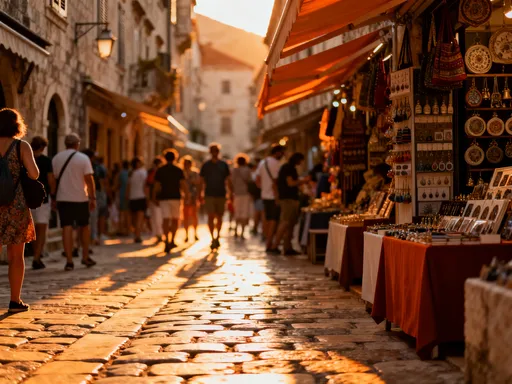
If Kuching has a shopping soul, it lives in its markets. Two standouts — the Central Market (Pasar Central) and the Main Bazaar along the Sarawak River — serve as vibrant arteries of daily life and cultural expression. These are not sanitized tourist attractions but living, breathing spaces where locals shop, vendors chat, and the air hums with the scent of spices, ripe fruit, and simmering street food. To walk through them is to step into the rhythm of Kuching itself.
The Central Market, housed in a colonial-era building with high ceilings and wide corridors, is a feast for the senses. Rows of stalls overflow with color: bundles of deep red *bunga kantan* (torch ginger), jars of golden *kaya* (coconut jam), and pyramids of durian, mangosteen, and rambutan. But beyond the produce, it’s the handmade goods that captivate. Look for Iban women selling intricately beaded necklaces, each pattern representing a clan or life event. Nearby, Bidayuh artisans display wood carvings — small figurines, ceremonial masks, and kitchenware — all shaped from local hardwoods with tools that have changed little over decades.
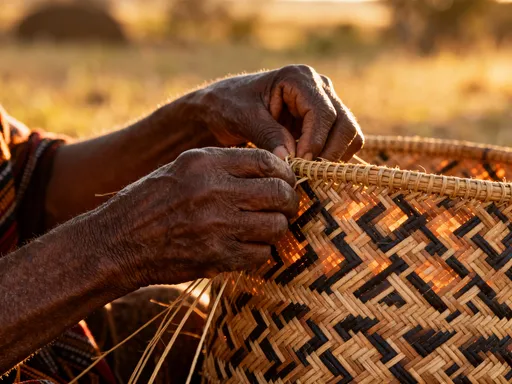
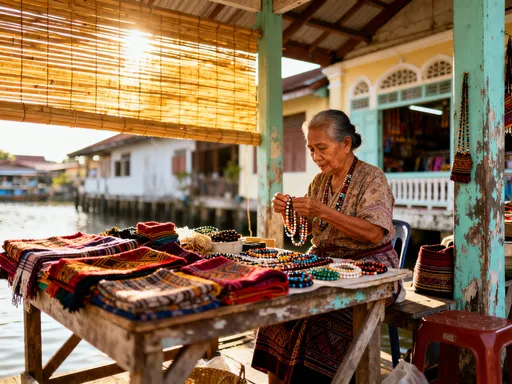
Equally compelling is the Main Bazaar, a stretch of heritage shophouses converted into retail spaces. Here, you’ll find *pua kumbu*, the sacred ikat-woven cloth traditionally used in Iban rituals. These textiles, dyed with natural pigments and woven on backstrap looms, can take weeks to complete. Many vendors are happy to explain the symbolism behind the motifs — zigzags for rivers, diamonds for eyes of protection, or ladder patterns for the journey to the spirit world. Buying one isn’t just acquiring fabric; it’s honoring a living tradition.
Then there are the food treasures: jars of *blacan*, the pungent shrimp paste that flavors so much of Sarawakian cooking, and homemade *sambal* made with fresh chilies and belacan. Vendors often let you taste before you buy, offering tiny spoonfuls on crackers. Don’t miss the fresh tropical fruits either — cempedak, langsat, and the elusive *manggis* (mangosteen), prized for its sweet, tangy flesh. These aren’t just snacks; they’re edible souvenirs of Borneo’s biodiversity.
For the best experience, visit early in the morning, ideally between 8 and 10 a.m., when the market is lively but not overcrowded, and produce is at its freshest. Bring small bills — many vendors don’t carry change for larger notes. Bargaining is generally not expected in fixed-price stalls, but in more informal setups, a polite negotiation is acceptable. Always smile, be respectful, and remember that these sellers are sharing more than goods; they’re sharing their livelihoods.
Artisan Alleys and Craft Villages Just Beyond the City
While Kuching’s urban markets offer a taste of local craft, a short journey outside the city reveals the deeper roots of Sarawak’s artisan traditions. The Sarawak Cultural Village, located about 35 kilometers from downtown, is often described as a “living museum,” and for good reason. Set on a scenic hillside overlooking the river, it recreates traditional longhouses from seven major ethnic groups, each hosting artisans who demonstrate their crafts in real time.
Here, you can watch Iban weavers work the *pua kumbu* on handlooms, their fingers moving with rhythmic precision. Potters from the Bidayuh community shape clay into cooking pots and water vessels using age-old coil techniques, while Orang Ulu craftsmen carve intricate patterns into bamboo to create *sape* instruments — the six-stringed lutes that are the soul of Bornean music. These demonstrations aren’t performances for tourists; they are acts of cultural preservation, often led by elders who have spent decades mastering their art.
What makes this experience especially meaningful is the opportunity to purchase directly from the makers. Unlike mass-market souvenirs, each item comes with a story: the name of the artisan, the significance of the design, and sometimes even a demonstration of how it was made. A small woven bracelet might be imbued with protective symbols, while a carved wooden spoon could be modeled after those used in traditional ceremonies. These aren’t just keepsakes; they’re heirlooms in the making.
Beyond the Cultural Village, rural cooperatives and craft centers scattered across Sarawak’s countryside offer similar experiences. Some, like the Annah Rais Longhouse or the Bario Highlands workshops, require guided tours due to their remote locations, but the journey is part of the reward. Travelers who make the trip often describe it as transformative — not just for the crafts they bring home, but for the conversations they have along the way.
Tourism, when done responsibly, plays a vital role in sustaining these traditions. Many young people in rural communities are drawn to urban jobs, risking the loss of ancestral skills. By supporting ethical purchasing — buying directly, asking about origins, and paying fair prices — travelers help ensure these crafts survive. Look for cooperatives that reinvest income into community projects or training programs. Even a small purchase can make a difference.
For those traveling independently, renting a car with a local driver or joining a reputable day tour are the most practical options. Public transportation to these areas is limited, and road conditions can be challenging. Guided tours often include meals, cultural briefings, and translation assistance, enriching the experience. Whether you go with a group or on your own, the key is to approach these visits with humility and curiosity.
Hidden Courtyards and Boutique Finds in Old Kuching
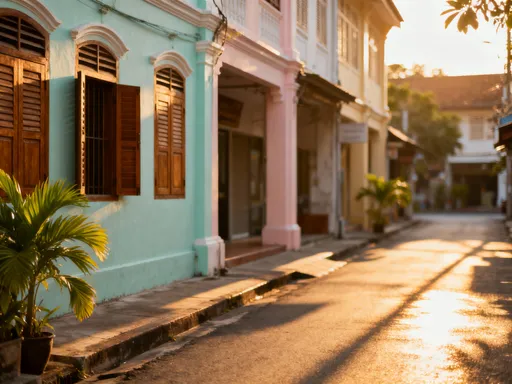
Back in the heart of the city, Old Kuching’s colonial-era shophouses hide a quieter, more curated side of shopping. Tucked into narrow alleys and restored heritage buildings, a growing number of boutique studios and concept stores celebrate local design with a modern twist. These are not souvenir shops in the traditional sense, but spaces where tradition meets innovation, and where every item feels intentional.
One standout is The Granary, a design-led store housed in a former rice warehouse. Its shelves feature locally printed textiles, notebooks bound in *songket* fabric, and ceramics inspired by indigenous motifs. The space also hosts rotating exhibitions by Sarawakian artists, making it as much a cultural hub as a retail destination. Another favorite is Burok House, named after the Malay word for “charm.” Here, you’ll find upcycled fashion made from vintage *kebaya* fabrics, eco-friendly homewares crafted from bamboo and rattan, and handmade candles infused with local scents like frangipani and wild ginger.
What makes these boutiques special is their ethos. They don’t just sell products; they tell stories. Staff are often the designers themselves or deeply connected to the makers. They’ll explain how a scarf was block-printed using natural dyes, or how a set of coasters was made from reclaimed fishing nets. This level of transparency fosters trust and deepens the shopping experience. You leave not just with something beautiful, but with knowledge.
These spaces also offer a welcome contrast to the busier markets. With fewer crowds and a calmer atmosphere, they invite slower, more mindful browsing. You can take your time, ask questions, and even sip locally roasted coffee while you explore. It’s shopping as contemplation, not conquest. And because the inventory is carefully selected, you’re less likely to find the same items elsewhere in Malaysia.
For visitors who value sustainability and originality, these boutiques are essential stops. They represent a growing movement in Kuching — one that honors heritage while embracing contemporary design. By supporting them, you contribute to a creative economy that values quality over quantity, and people over profit. And who knows? You might just find the perfect gift — something that feels personal, not packaged.
Malls with a Local Twist: When Convenience Meets Culture
Despite its charm, Kuching is not immune to modern development, and its shopping malls reflect a thoughtful blend of convenience and cultural identity. Vivacity Megamall and Hills Shopping Mall, two of the city’s largest, could easily have been carbon copies of those in Kuala Lumpur. Instead, they incorporate Sarawakian elements in subtle but meaningful ways — from artwork on the walls to food courts serving regional specialties.
Vivacity, located along the waterfront, features murals of Iban warriors and Orang Ulu beadwork in its common areas. Its food court is a highlight, offering authentic dishes like *manok pansoh* (chicken cooked in bamboo) and *umai* (a raw fish salad similar to ceviche, flavored with lime and chili). These aren’t just menu items; they’re culinary ambassadors of Sarawak. You can enjoy a quick, affordable meal while soaking in the local flavors — literally and figuratively.
Hills Shopping Mall, slightly inland, takes a similar approach. Its anchor supermarket stocks a wide range of Sarawak-made products: jars of laksa paste, packets of sago pearls, and, of course, the world-renowned Sarawak black pepper. This is an excellent place to pick up packaged souvenirs that are easy to travel with. Unlike loose spices or fresh goods, these items are sealed, labeled, and airport-safe. They also make thoughtful gifts — flavorful, authentic, and unlikely to break in transit.
But malls in Kuching aren’t just about shopping. They serve as oases of comfort, especially during the midday heat or sudden tropical downpours. With their air-conditioned interiors, clean restrooms, and seating areas, they offer a chance to rest, recharge, and regroup. Many visitors use them as base camps between market visits or cultural tours. Some even host weekend craft fairs or pop-up stalls featuring local designers, adding another layer of authenticity to the experience.
The key is balance. While it’s easy to spend an entire day in a mall, doing so would mean missing the soul of Kuching’s retail scene. These spaces are best used as complements to, not replacements for, the markets and boutiques. Visit them for practical needs, a cool drink, or a taste of local food, but always return to the streets, where the real connections happen. In Kuching, the most memorable finds are rarely behind glass displays.
What to Buy (and What to Skip)
With so many options, it’s natural to wonder: what should you actually bring home? The answer lies in choosing items that are both meaningful and representative of Sarawak’s unique identity. Start with the classics: Sarawak black pepper, often called the “king of peppers,” is grown in the fertile highlands and prized for its floral aroma and complex heat. It’s a versatile gift for any food lover and widely available in vacuum-sealed packs.
Another must-try is laksa paste. Unlike the versions found in Peninsular Malaysia, Sarawak laksa is a rich, coconut-based soup with a distinctive spice blend. The paste allows anyone to recreate it at home, making it a practical yet personal souvenir. For something more visual, consider *songket* accessories — small clutches, scarves, or even keychains woven with gold or silver threads. These shimmering textiles are traditionally worn during weddings and festivals, so even a tiny piece carries cultural weight.
Supporting social enterprises is another rewarding way to shop. Several NGOs in Kuching produce handmade notebooks, journals, and greeting cards using recycled paper and traditional designs. These items are often sold in boutiques like The Granary or at craft fairs, and proceeds go toward education or women’s empowerment programs. A $15 notebook might seem simple, but it represents a much larger story of community resilience.
On the flip side, be cautious of mass-produced “ethnic” trinkets — wooden masks with no cultural accuracy, beaded bracelets with generic patterns, or T-shirts with cartoonish depictions of tribal life. These items often lack authenticity and can be disrespectful if they misrepresent sacred symbols. They also tend to be made elsewhere and simply labeled as “from Borneo.” When in doubt, ask the vendor about the item’s origin. If they can’t tell you who made it or what it means, it’s best to pass.
For budget-conscious shoppers, there are plenty of meaningful options under $20. Small jars of *kuih* (traditional sweets), packets of *teh tarik* mix, or hand-carved wooden spoons make excellent gifts. Choose reusable over disposable, natural over plastic, and local over imported. Every choice is a vote for the kind of tourism you believe in.
Making Your Shopping Experience Truly Kuching
In the end, the most valuable part of shopping in Kuching isn’t what you carry home in your suitcase — it’s what you carry home in your heart. The best moments often happen off-script: a conversation with an elderly weaver who teaches you a word in Iban, a shared laugh over a taste of overly spicy *sambal*, or the quiet pride of holding a hand-carved spoon knowing exactly who made it.
Mindful shopping transforms travel from mere sightseeing into storytelling. Each purchase, when made with intention, becomes a thread connecting you to people, history, and place. It shifts the focus from accumulation to appreciation. And in a world of fast fashion and instant gratification, that’s a radical act.
To make the most of your experience, come prepared. Carry small bills in Malaysian ringgit, as many vendors don’t accept cards or can’t break large notes. Bring a foldable tote bag — reusable, lightweight, and perfect for loading up with market finds. Go early in the day to avoid the midday heat and crowds, and wear comfortable shoes; Kuching is best explored on foot.
But beyond logistics, come with an open mind. Don’t just follow a list — wander down side streets, peek into courtyards, and say hello to shopkeepers. Some of the best finds happen by accident: a hidden stall selling hand-dyed silk, a pop-up pottery demo in a back alley, or a grandmother offering samples of her homemade *kuih*. Let curiosity guide you.
And when you do make a purchase, take a moment to appreciate it. Not just its beauty or usefulness, but its journey — the hands that shaped it, the culture that inspired it, the land that provided its materials. That awareness turns a simple object into a lasting memory.
Conclusion
Shopping in Kuching isn’t about spending — it’s about discovering. Each purchase, if made with intention, becomes a thread connecting you to people, history, and place. In a world of fast retail, Kuching invites you to slow down, look closer, and take home more than just objects — take home understanding.